• How Physiotherapy Restores Knee Strength and Mobility

    Knee pain and stiffness can make even simple daily activities feel difficult. Walking, climbing stairs, standing for long periods, or getting up from a chair may become uncomfortable when the knee joint loses strength and flexibility. These problems can develop due to aging, sports injuries, arthritis, surgery, or prolonged inactivity.

    Many people try to manage knee pain with rest or painkillers alone, but temporary relief does not always solve the underlying problem. Over time, weak muscles and reduced mobility can make the condition worse.

    This is where physiotherapy plays a major role.

    Physiotherapy helps restore knee strength, improve movement, reduce pain, and support long-term joint health. Through guided exercises and rehabilitation techniques, patients can regain confidence in movement and return to daily activities more comfortably.

    According to the American Academy of Orthopaedic Surgeons (AAOS), strengthening and mobility exercises are essential for improving knee function and reducing pain.

    Why Knee Strength and Mobility Matter

    The knee is one of the largest and most important joints in the body. It supports body weight and helps with movement, balance, and stability. When the muscles around the knee become weak or the joint becomes stiff, pressure on the knee increases.

    This can lead to:

    • Difficulty walking
    • Joint instability
    • Reduced balance
    • Pain during movement
    • Higher risk of falls or injuries
    • Limited physical activity

    Restoring strength and mobility is important not only for pain relief but also for maintaining an active and independent lifestyle.

    Common Causes of Knee Weakness and Stiffness

    Several conditions can affect knee function and mobility.

    Common causes include:

    • Osteoarthritis
    • Sports injuries
    • Ligament tears
    • Knee replacement surgery
    • Muscle weakness
    • Obesity-related stress on joints
    • Sedentary lifestyle
    • Age-related joint degeneration

    According to the Centers for Disease Control and Prevention (CDC), regular physical activity and rehabilitation exercises help reduce joint pain and improve mobility in people with knee-related conditions.

    How Physiotherapy Helps Restore Knee Strength and Mobility

    Physiotherapy focuses on improving movement safely while addressing the root cause of pain and weakness. Treatment plans are personalized based on the patient’s condition, age, lifestyle, and recovery goals.

    1. Strengthening Supporting Muscles

    Weak muscles around the knee often increase pressure on the joint. Physiotherapy exercises strengthen key muscle groups that support knee stability.

    These may include:

    • Quadriceps muscles
    • Hamstrings
    • Calf muscles
    • Hip stabilizers

    Stronger muscles improve balance, reduce stress on the knee, and make movement easier.

    2. Improving Flexibility and Joint Movement

    Stiffness can limit daily activities and reduce overall mobility. Physiotherapists use stretching exercises and mobility training to improve range of motion gradually.

    Improved flexibility helps patients:

    • Walk more comfortably
    • Bend the knee properly
    • Climb stairs with less difficulty
    • Reduce stiffness after sitting or resting

    Consistent mobility exercises can also help prevent long-term joint restrictions.

    3. Reducing Pain Naturally

    Pain often discourages people from moving their knee properly, which can lead to more stiffness and weakness. Physiotherapy helps reduce pain through non-surgical and drug-free methods.

    Treatment techniques may include:

    • Manual therapy
    • Ice or heat therapy
    • Ultrasound therapy
    • Electrical stimulation
    • Controlled exercises

    According to the Mayo Clinic, physical therapy can help strengthen muscles around the knee and improve flexibility, which may reduce pain associated with knee conditions.

    4. Restoring Walking and Balance

    Many people with knee problems develop poor walking habits because of pain or fear of falling. Physiotherapists work on gait training and balance exercises to improve movement patterns safely.

    This helps patients regain confidence while walking and reduces the risk of future injuries.

    5. Supporting Recovery After Injury or Surgery

    Physiotherapy is especially important after sports injuries or knee surgeries such as ligament repair or knee replacement.

    Structured rehabilitation helps:

    • Restore strength safely
    • Prevent stiffness
    • Improve flexibility
    • Support faster recovery
    • Reduce complications after surgery

    Early rehabilitation often leads to better recovery outcomes and improved long-term mobility.

    The Importance of Consistency in Physiotherapy

    One of the most important factors in knee rehabilitation is consistency. Physiotherapy exercises work best when performed regularly under professional guidance.

    Skipping sessions or stopping exercises too early may slow recovery and increase the chances of recurring pain.

    Patients who follow structured rehabilitation plans often experience:

    • Better mobility
    • Improved strength
    • Reduced pain
    • Increased independence
    • Improved quality of life

    When Should You See a Physiotherapist for Knee Problems?

    You should consider professional physiotherapy support if you experience:

    • Ongoing knee pain
    • Difficulty walking
    • Joint stiffness
    • Weakness in the knee
    • Reduced flexibility
    • Pain after injury or surgery
    • Difficulty climbing stairs

    Early treatment can prevent the condition from worsening and improve recovery speed.

    For individuals searching for a trusted knee physiotherapy clinic in Faisalabad, professional physiotherapy care can help improve knee strength, reduce stiffness, and restore mobility through personalized rehabilitation programs designed for long-term recovery.

    Simple Tips to Protect Knee Health

    In addition to physiotherapy, these habits can support knee strength and mobility:

    • Maintain a healthy weight
    • Stay physically active
    • Avoid prolonged sitting
    • Stretch regularly
    • Wear supportive footwear
    • Warm up before exercise
    • Avoid excessive strain on the knees

    Small lifestyle changes can make a big difference in joint health over time.

    Final Thoughts

    Knee pain and stiffness can affect mobility, independence, and overall quality of life. Physiotherapy provides a safe and effective way to restore knee strength, improve flexibility, and reduce pain naturally.

    With the right rehabilitation program, patients can regain confidence in movement, return to daily activities, and protect their knees from future problems.

    Expert Tip

    One of the best ways to protect knee joints is to strengthen the muscles around them consistently. Strong leg muscles help absorb pressure from daily movement and reduce long-term stress on the knee joint.

  • How to Overcome Dental Anxiety – Patient-Friendly Guide

    For many people, visiting the dentist feels more stressful than it should. The sound of dental tools, fear of pain, or even a bad past experience can create serious anxiety. In fact, dental fear is one of the most common reasons people delay treatment until the pain becomes unbearable.

    The problem is that postponing dental visits often turns small issues into bigger and more expensive problems. A simple cleaning or filling today can become a root canal or extraction later. That is why learning how to manage dental anxiety is so important for both your peace of mind and your oral health.

    If fear has been stopping you from booking an appointment, this guide will help you take the first step. And when the need for professional care becomes urgent, many people naturally seek help from the top dental clinic in Faisalabad such as Health360 Canal Road, Health360 Satiana Road, Dental Care Center, 360 Dental Clinic, for patient-friendly and comfortable treatment.

    What Is Dental Anxiety?

    Dental anxiety is the feeling of fear, stress, or nervousness before or during a dental visit. It can range from mild discomfort to severe dental phobia.

    Common triggers include:

    • fear of pain
    • previous bad experiences
    • sound of dental equipment
    • fear of injections
    • embarrassment about oral health
    • fear of losing control

    Research from dental health professionals shows that nearly half of adults experience some level of dental anxiety.

    The important thing to remember is: you are not alone.

    Why Ignoring It Can Make Things Worse

    One of the biggest risks of dental anxiety is avoidance.

    When people delay visits, minor problems such as plaque buildup, small cavities, or gum irritation can quickly progress into:

    • severe tooth pain
    • infection
    • gum disease
    • tooth loss

    This creates what dentists often call the “fear-pain cycle”—fear causes delay, delay causes pain, and pain increases fear.

    Breaking this cycle early is the key.

    1. Choose a Patient-Friendly Dentist

    The first step in overcoming dental anxiety is choosing the right clinic.

    Look for a dental team that is known for:

    • clear communication
    • gentle treatment
    • modern equipment
    • comfortable waiting areas
    • supportive staff

    A calm and welcoming environment can make a huge difference.

    This is exactly why many patients prefer to seek help from the top dental clinics in Faisalabad, such as Health360 Canal Road, Health360 Satiana Road, Dental Care Center, 360 Dental Clinic, where patient comfort and modern care go hand in hand.

    2. Tell Your Dentist About Your Fear

    One of the best things you can do is speak openly.

    Tell your dentist what makes you anxious.

    For example:

    • fear of pain
    • fear of needles
    • fear of sound
    • past trauma

    Modern dentists are trained to help nervous patients feel comfortable.

    Many clinics can offer:

    • step-by-step explanations
    • breaks during treatment
    • numbing options
    • slower procedures
    • distraction techniques

    Open communication reduces uncertainty, and uncertainty often increases anxiety.

    3. Use Breathing Techniques Before and During the Visit

    Simple breathing exercises can significantly reduce anxiety symptoms.

    Try box breathing:

    1. inhale for 4 seconds
    2. hold for 4 seconds
    3. exhale for 4 seconds
    4. hold for 4 seconds
    5. repeat
    box breathing

    This helps slow your heart rate and calm your mind.

    Deep breathing is widely recommended for anxiety relief in healthcare settings.

    4. Book a Consultation First, Not a Treatment

    A helpful strategy is to schedule a consultation-only visit.

    This means you simply meet the dentist, discuss your concerns, and understand the treatment plan without undergoing any procedure.

    This approach helps build trust and reduces fear of the unknown.

    Often, once patients realize the clinic environment is calm and supportive, much of the anxiety naturally decreases.

    5. Bring a Trusted Friend or Family Member

    Sometimes emotional support makes a big difference.

    Having someone accompany you can help you feel more secure and less alone.

    Even sitting with someone in the waiting area can reduce stress before treatment begins.

    6. Use Distractions During Treatment

    Many people find it easier when their mind is focused elsewhere.

    Helpful distractions include:

    • listening to calming music
    • using earbuds
    • guided meditation audio
    • focusing on breathing patterns

    Some modern clinics also provide screens or entertainment options.

    Distraction techniques are commonly recommended for managing mild clinical anxiety.

    7. Start with Small Procedures

    If you have been avoiding dental care for years, do not start with a major procedure unless necessary.

    Begin with something simple like:

    • a checkup
    • professional cleaning
    • consultation
    • polishing

    A positive first experience helps rebuild confidence.

    Once trust is established, future visits become much easier.

    8. Remember That Modern Dentistry Is More Comfortable Than Ever

    Many fears come from outdated stories.

    Today’s dentistry uses:

    • advanced numbing methods
    • painless injections
    • digital diagnostics
    • faster treatment tools
    • laser-assisted procedures

    Modern techniques are specifically designed to reduce pain and stress.

    Final Thoughts

    Dental anxiety is real, but it should never stop you from protecting your health.

    The key is taking one small step at a time, choosing the right clinic, speaking openly, and using simple calming techniques.

    If fear has been keeping you away from treatment, the best next step is to seek help from the top dental clinics in Faisalabad such as Health360 Canal Road, Health360 Satiana Road, Dental Care Center, 360 Dental Clinic, and start with a consultation.

    A healthy smile begins when fear no longer controls your decisions.

    Expert Tip

    Before your next dental visit, try the 4-4-4 calm rule:
    breathe in for 4 seconds, hold for 4 seconds, exhale for 4 seconds.

    Share this simple tip with friends using #NoFearDentalVisit to help others feel more confident about booking their appointment.

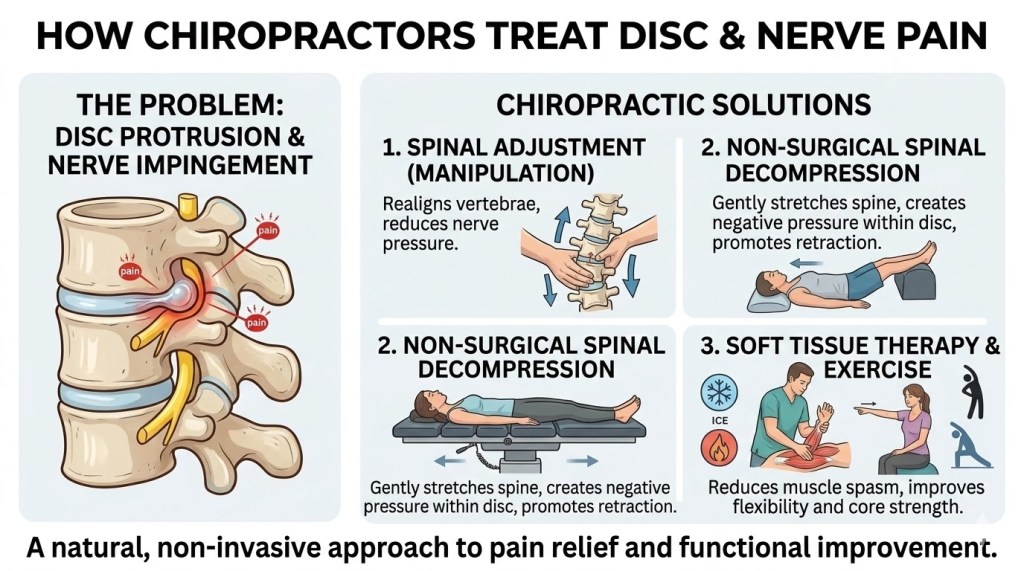
  • How Chiropractors Treat Disc & Nerve Pain

    Back and nerve pain can slowly take over your daily life. Simple activities like sitting, walking, or bending may become uncomfortable or even unbearable. Many people initially ignore the symptoms or rely on painkillers, but when the pain starts traveling down the arms or legs, it often signals something deeper — such as disc problems or nerve compression.

    (more…)
  • Rising Demand for Certified Plastic Surgeons in Faisalabad

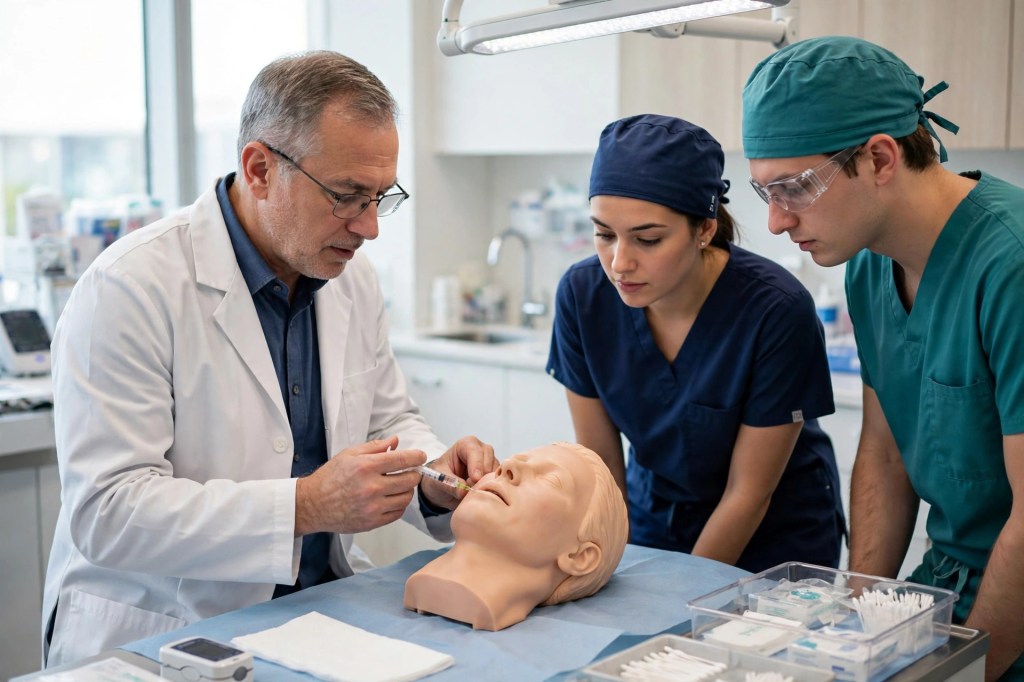
    In recent years, Faisalabad has seen an increasing number of people exploring cosmetic and reconstructive procedures, from subtle enhancements to life-changing transformations. Whether it’s correcting signs of aging, refining facial features, or addressing scars and deformities, more individuals are choosing surgical and non-surgical aesthetic options with confidence.

    But with this growing interest comes a very important need: certified, qualified, and experienced practitioners who can deliver safe, predictable, and natural results. Many people now understand that not all providers are the same, and the difference between skilled expertise and inadequate care can be significant.

    In this blog, we’ll explore why the demand for Health360 certified plastic surgeons in Faisalabad is rising, what factors are driving this trend, and how patients can choose the right clinic for their goals.

    (more…)
  • DIY Facials vs. Professional Treatments – Which One Is Better for Your Skin

    Taking care of your skin is more important today than ever before. With constant exposure to pollution, stress, and harsh weather, your skin needs regular maintenance to stay fresh, glowing, and healthy. Many people try DIY facials at home to save time and money—using masks, scrubs, and trending social media hacks. While these home treatments can offer temporary benefits, they often fall short when compared to what professional facials deliver.

    Before choosing between DIY facials and professional skincare treatments, it’s important to understand how each one affects your skin and which option is best for long-term results.

    (more…)
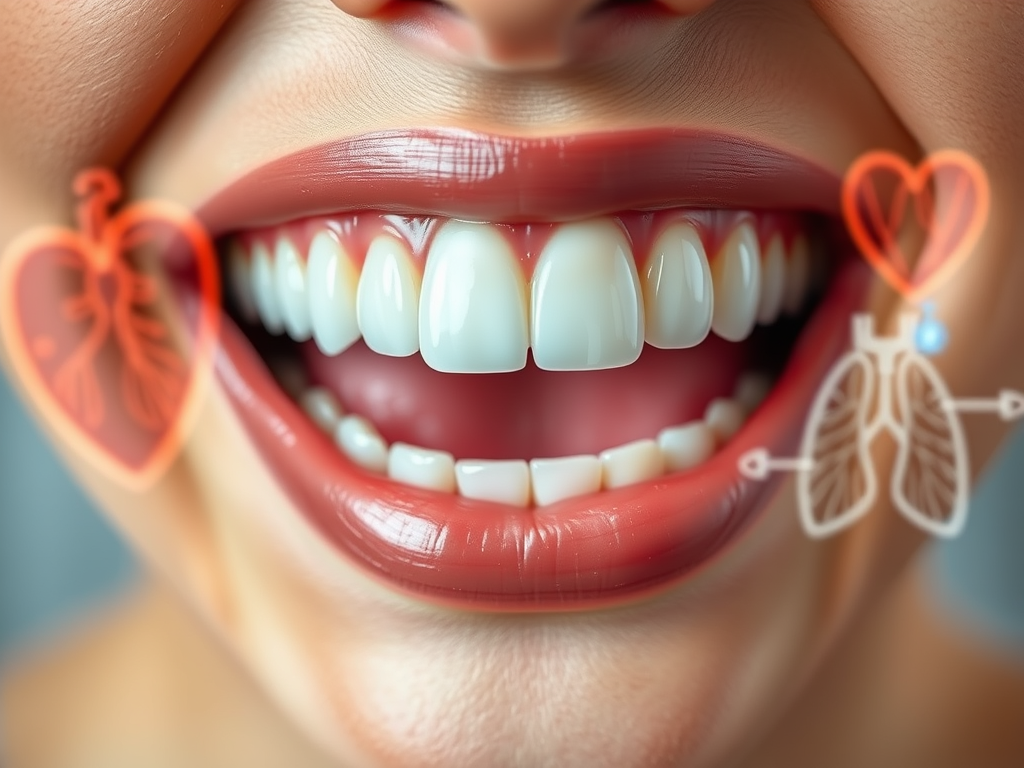
  • How Dental Health Affects Your Overall Health?

    You might think that a toothache or bleeding gums are just local mouth problems — something your dentist handles and nothing more. But in truth, oral health and systemic health are deeply connected. What happens in your mouth can influence your heart, lungs, metabolism, even pregnancy outcomes. In this post, we’ll walk through why your dental care matters far beyond just a bright smile — and how choosing the best dental clinic can be part of a holistic health plan.

    (more…)
  • How Physiotherapy Enhances Recovery After Sports Injuries?

    Sports injuries are an inevitable part of athletic activity, whether you’re a professional athlete, a weekend warrior, or someone who enjoys recreational fitness. From sprained ankles and torn ligaments to muscle strains and stress fractures, these injuries can sideline athletes for weeks or even months. However, physiotherapy plays a critical role in accelerating recovery, preventing long-term complications, and getting athletes back to peak performance.

    Physiotherapy combines evidence-based techniques, targeted exercises, and specialized treatments that address not just the symptoms of an injury but also its root cause. In this article, we’ll explore how physiotherapy enhances recovery after sports injuries, the techniques used, and why it’s considered a cornerstone of modern sports medicine.

    (more…)
Design a site like this with WordPress.com
Get started